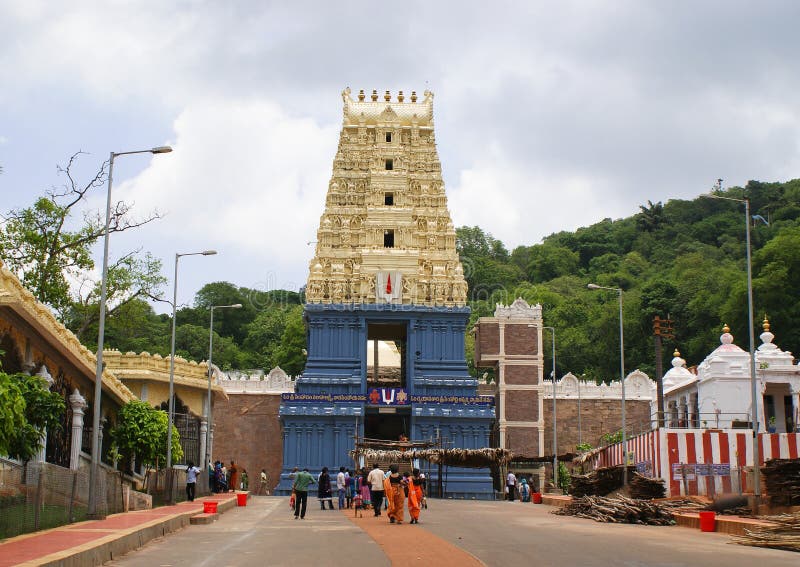
Simhachalam Temple is one of the most famous and ancient temples in India. Located on the peaceful Simhachalam Hills near Visakhapatnam, this temple is dedicated to Lord Varaha Narasimha Swamy, a powerful form of Lord Vishnu. The temple is surrounded by green forests, cool weather, and beautiful hill scenery, making it not only a spiritual destination but also a wonderful tourist attraction.
For the people of Andhra Pradesh, Simhachalam Temple is not just a place of worship; it is a symbol of devotion, culture, history, and tradition. Thousands of devotees visit the temple daily to seek blessings and experience the divine atmosphere.
History of the Temple
The history of Simhachalam Temple dates back more than a thousand years. According to historians, the temple was built during the 11th century by the Eastern Ganga kings. Later, kings from different dynasties such as the Cholas and Vijayanagara Empire contributed to the development of the temple.
The famous emperor Sri Krishnadevaraya of the Vijayanagara Empire visited the temple and donated valuable items. Many inscriptions found inside the temple describe the contributions made by ancient rulers. These inscriptions help historians understand the rich cultural and religious importance of the temple.
The word “Simhachalam” means “Hill of the Lion.” The temple is named after Lord Narasimha, the lion-faced avatar of Lord Vishnu.
Mythological Importance
The temple is deeply connected to Hindu mythology. According to legends, Lord Vishnu took the Narasimha avatar to protect his devotee Prahlada and destroy the demon king Hiranyakashipu.
In Simhachalam, the deity appears in a unique form called Varaha Narasimha, combining two avatars of Vishnu:
- Varaha (Boar avatar)
- Narasimha (Lion avatar)
It is believed that Prahlada himself established the idol at Simhachalam. Devotees strongly believe that worshipping here removes fear, problems, and negative energy from life.
Architecture of Simhachalam Temple
The architecture of Simhachalam Temple is truly magnificent. The temple is built in a combination of Kalinga, Chola, and Dravidian styles of architecture. The structure is made of beautifully carved stone and reflects the artistic excellence of ancient Indian craftsmen.
Some important architectural features include:
- Huge temple towers (Gopurams)
- Beautifully carved pillars
- Stone sculptures of gods and mythological stories
- Spacious temple halls
- Ancient inscriptions on walls
- Decorative mandapams
The carvings inside the temple are extremely detailed and attract architecture lovers and tourists from different parts of the country.
The Unique Idol of the Temple
One of the most special features of Simhachalam Temple is its deity. Unlike many other temples, the idol here is always covered with thick sandalwood paste throughout the year.
Because of this sandalwood covering, devotees usually cannot see the original form of the deity. Only once every year, during the Chandanotsavam festival, the sandalwood paste is removed, and devotees get a rare chance to see the real idol.
This unique tradition makes Simhachalam Temple different from all other temples in India.
Chandanotsavam Festival
The Chandanotsavam festival is the most important festival celebrated at Simhachalam Temple. It usually takes place during April or May.
On this day:
- The sandalwood paste covering the deity is removed.
- Lakhs of devotees visit the temple.
- Special prayers and rituals are conducted.
- The temple becomes crowded with devotees from all over India.
People wait for hours just to have a glimpse of the original form of Lord Narasimha. The festival creates a grand spiritual atmosphere filled with devotion and excitement.
Temple Surroundings and Natural Beauty
The temple is located on top of the Simhachalam Hills, surrounded by greenery and forests. The cool climate and peaceful environment make the place very relaxing.
Visitors can enjoy:
- Scenic hill views
- Fresh air
- Natural beauty
- Calm atmosphere
- Sunrise and sunset views
The journey to the temple itself feels enjoyable because of the winding hill roads and beautiful landscapes.
Daily Rituals and Worship
The temple follows traditional Hindu rituals every day. Priests perform several poojas and ceremonies from morning till night.
Important rituals include:
- Suprabhata Seva
- Archana
- Abhishekam
- Harathi
- Special Darshan
Devotees offer flowers, coconuts, fruits, and prayers to seek blessings for health, success, and happiness.
Importance for Students and Tourists
Simhachalam Temple is an educational and cultural place for students. Visiting the temple helps students learn about:
- Ancient Indian history
- Temple architecture
- Hindu mythology
- South Indian culture
- Religious traditions
Tourists also enjoy exploring the temple because it combines spirituality, history, and natural beauty in one place.
Transportation and Accessibility
The temple is located about 20 kilometers from Visakhapatnam city. People can easily reach the temple through:
- APSRTC buses
- Auto-rickshaws
- Private vehicles
- Taxis
A special ghat road leads to the hilltop temple. Railway and airport facilities are also available nearby in Visakhapatnam.
Food and Facilities
The temple provides good facilities for devotees and tourists, including:
- Free drinking water
- Prasadam counters
- Parking facilities
- Rest areas
- Washrooms
- Small shops selling devotional items
- Nearby restaurants and hotels are also available for visitors.
- Cultural and Spiritual Importance
Simhachalam Temple plays an important role in preserving Andhra Pradesh’s culture and traditions. It brings together people from different backgrounds and teaches values such as devotion, faith, patience, and discipline.
The temple inspires peace of mind and gives spiritual strength to devotees. Many people believe that visiting the temple brings positivity and success in life.
Conclusion
Simhachalam Temple is one of the greatest spiritual landmarks of Andhra Pradesh. With its rich history, mythological importance, unique traditions, beautiful architecture, and peaceful surroundings, the temple offers an unforgettable experience to every visitor.
For students, tourists, and devotees, visiting Simhachalam Temple is not just a journey to a religious place but also an opportunity to explore India’s rich cultural heritage and spiritual traditions. The temple stands proudly as a symbol of faith, history, and devotion for generations to come.